For most patients with bone loss, the question isn’t whether dental implants are possible — it’s whether bone grafting is needed first to make them predictable. Bone grafting is the procedure that rebuilds the bone foundation an implant requires to integrate, function, and last. Performed correctly, it’s a routine periodontal procedure with a long success record. Performed poorly, or skipped when it shouldn’t be, it’s the leading cause of long-term implant failure.
A traditional dental implant requires roughly 8–10mm of bone height and 5–6mm of width to integrate reliably. When a tooth is lost and not replaced, the surrounding bone begins to shrink within days — and continues shrinking for years. Patients who have been missing teeth for a decade or more, who have worn dentures long-term, or who have a history of advanced gum disease often arrive at our practice with bone volumes well below what an implant needs.
Bone grafting solves the problem by adding new bone material to the deficient site. Over 3–9 months (depending on graft type), your body integrates the graft material into your own bone, creating a stable foundation an implant can be placed into.
We measure bone volumes precisely using cone-beam CT imaging during your consultation — not by visual estimation. The 3D scan shows exactly which sites need grafting and which can support implants directly.
Different clinical situations require different grafting approaches. Choosing the right one is the difference between a graft that integrates predictably and one that fails.
Most modern dental bone grafts use processed bone from a tissue bank (allograft) or synthetic biocompatible materials. Both are extensively studied, eliminate the need for a second surgical site, and have well-documented integration rates. Xenograft (bovine-derived) materials are also commonly used and have decades of clinical track record.
In rare large reconstructions, autograft — your own bone, harvested from another site — may be recommended. We discuss material choice transparently during your consultation, including the trade-offs between cost, healing time, and long-term performance.
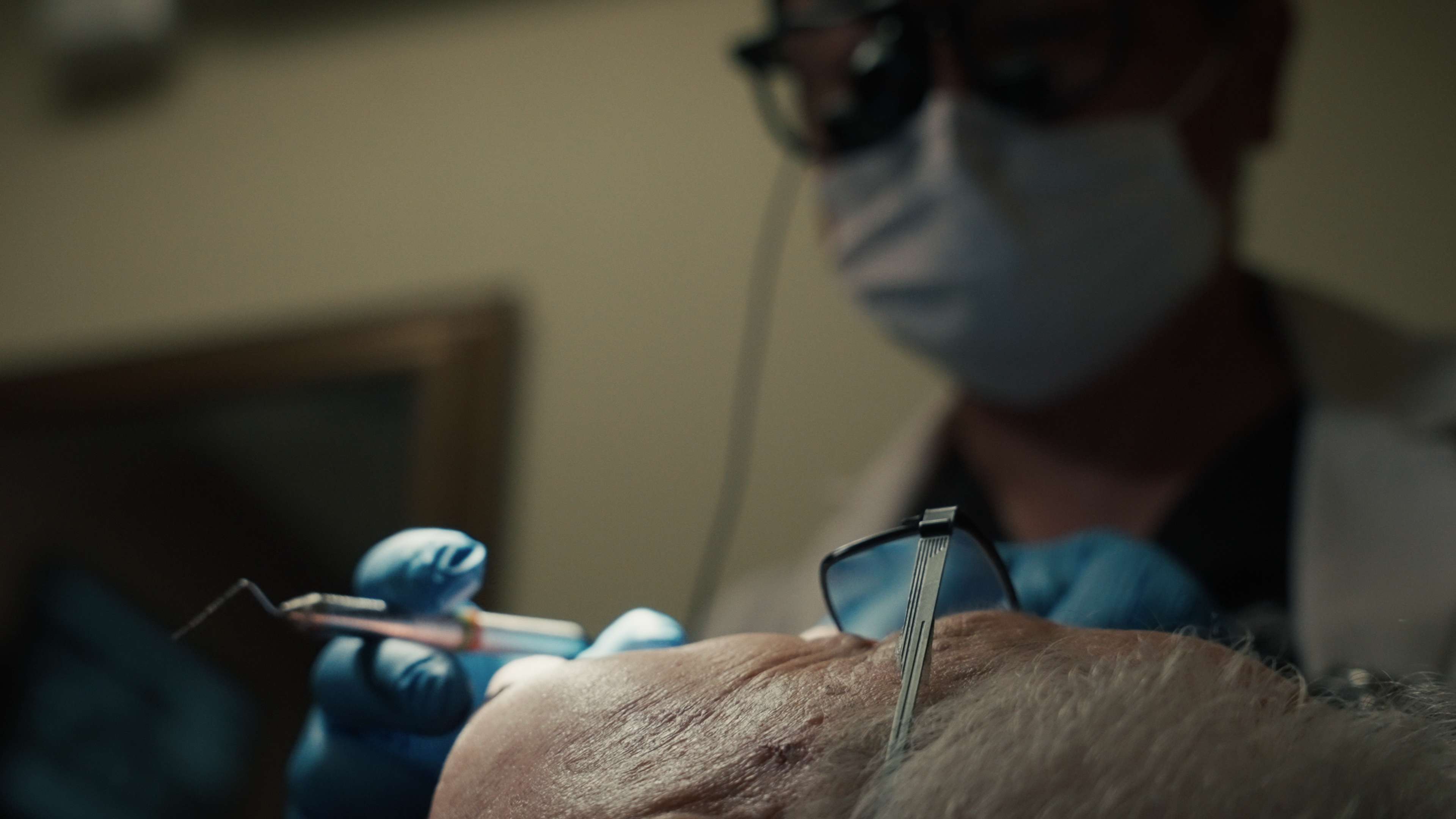
Bone grafting is performed under local anesthesia or IV sedation depending on the size and complexity. Most patients describe day 1–3 as the period of most discomfort, controlled with prescription pain medication. By day 4–7, patients are typically eating soft foods and back to normal daily activity.
The graft itself is painless after the initial healing window. The longer timeline — 3–9 months depending on graft type — is integration time, not recovery time. You’re not in discomfort during integration; you’re simply waiting for the bone to mature before the implant is placed.
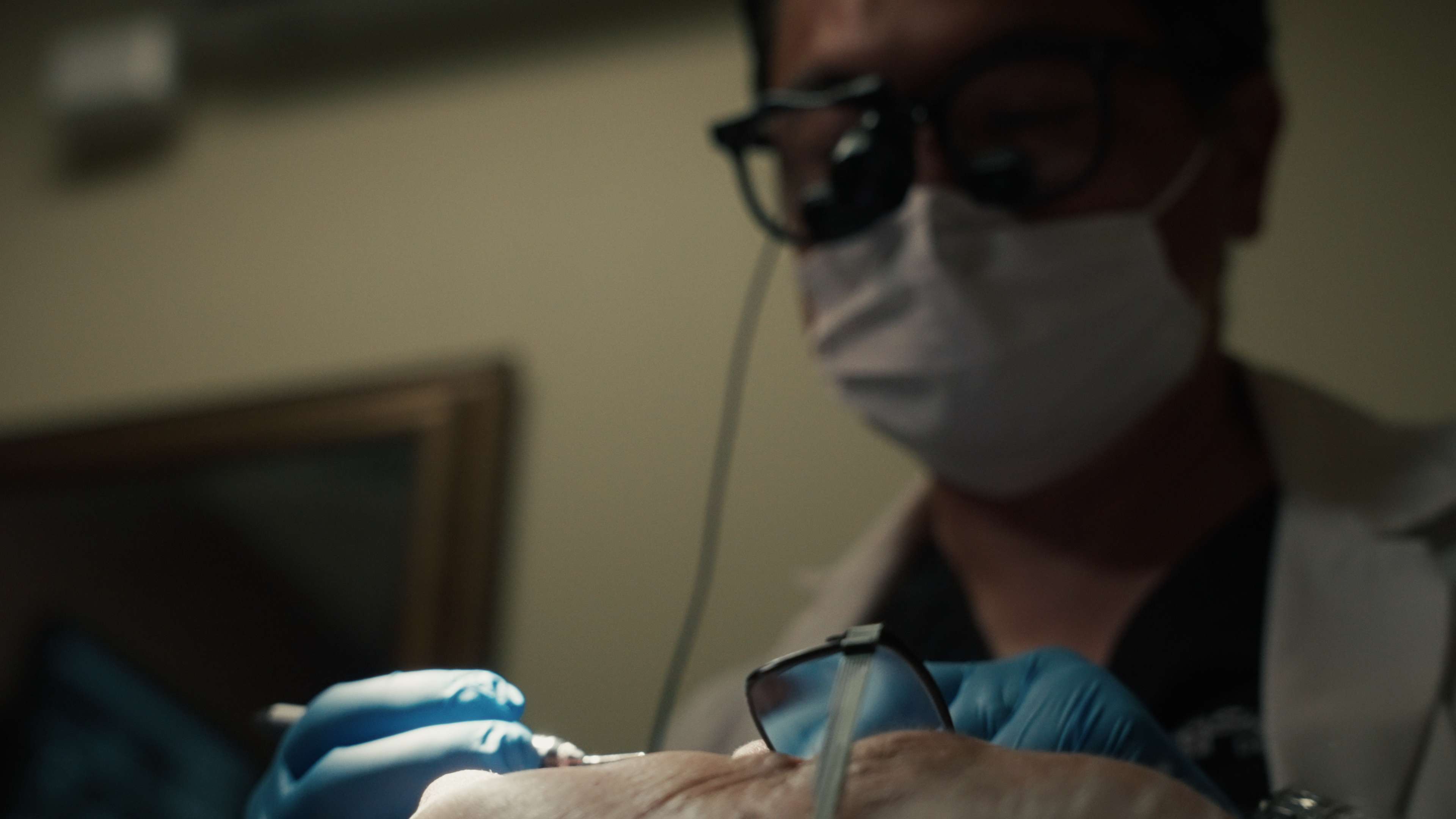
Bone grafting is one of the procedures most commonly performed by general dentists who have taken weekend courses — and one of the procedures most commonly cited in implant failure cases that we see for revision. The training depth required to predict whether a graft will integrate, to select the right material, and to handle complications when they arise is part of periodontal residency. It’s not something that can be acquired in a continuing-education weekend.
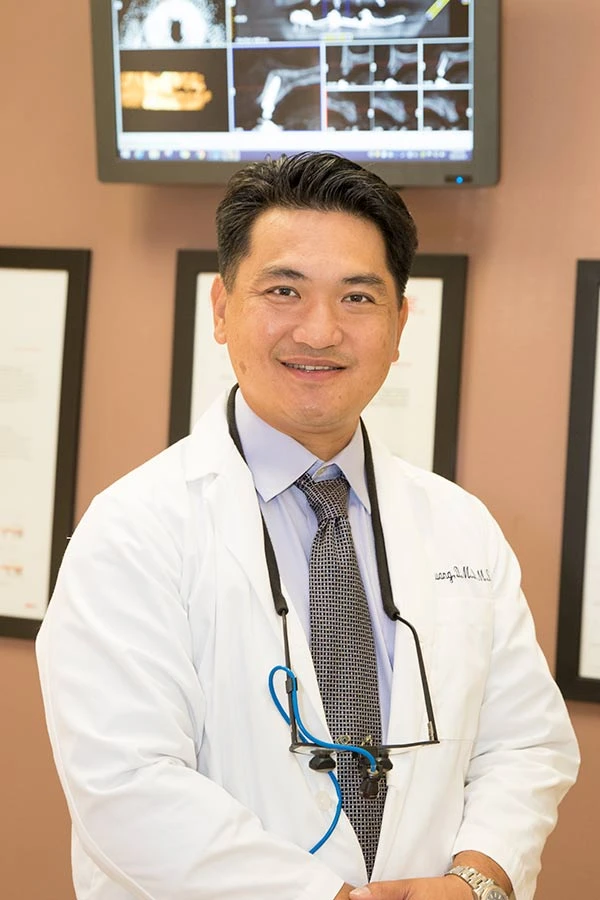
Dr. Huang completed his periodontics residency at the University of Illinois at Chicago, where he served as the program’s first Chief Resident. He has published research in platelet-rich plasma applications for sinus lift bone regeneration and lectures nationally on advanced grafting technique.